Understanding Prefab and Custom Carpentry
In the world of carpentry, the choice between prefabricated (prefab) and custom builds can significantly impact your project's outcome. This decision is particularly relevant in Norco, CA, where diverse architectural styles and personal preferences play a crucial role in construction and renovation projects. By understanding the differences, benefits, and challenges of each approach, you can make an informed choice that aligns with your specific needs and aesthetic goals in 2026.
What is Prefab Carpentry?
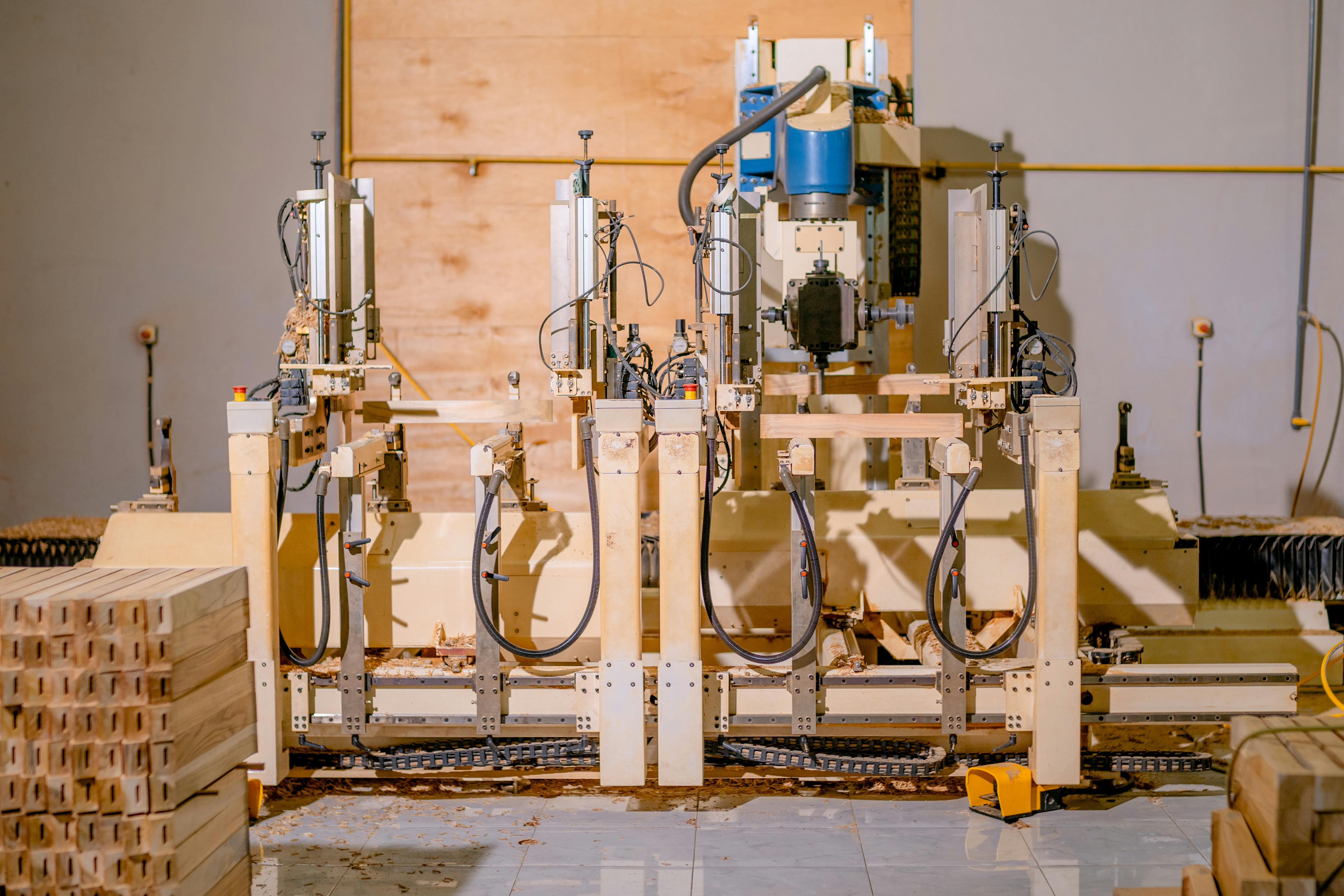
Prefabricated carpentry involves manufacturing building components in a factory setting, which are then transported to the construction site for assembly. This method has gained popularity due to its efficiency and cost-effectiveness.
Advantages of Prefab Carpentry
- Speed: Prefab components are produced in controlled environments, reducing weather-related delays and accelerating the construction timeline.
- Cost-Effective: Mass production often reduces material waste and labor costs, making prefab a budget-friendly option.
- Consistency in Quality: Factory settings ensure a high level of precision and uniformity in the components produced.
Disadvantages of Prefab Carpentry
- Limited Customization: Prefab solutions may not offer the flexibility needed for unique designs or adjustments on-site.
- Transport Constraints: Large components may pose logistical challenges, especially in areas with difficult access.
Exploring Custom Carpentry
Custom carpentry is the art of crafting bespoke solutions tailored to specific design and functional requirements. This approach is ideal for those seeking unique, personalized outcomes.
Advantages of Custom Carpentry
- Design Flexibility: Custom carpentry allows for complete personalization, accommodating intricate details and unique architectural styles.
- Material Choice: Homeowners can select from a wide variety of materials, ensuring the final product aligns with their aesthetic and functional preferences.
- Value Addition: Custom work can significantly enhance the value and appeal of a property through distinctiveness and quality craftsmanship.
Disadvantages of Custom Carpentry
- Higher Costs: The bespoke nature of custom work typically incurs higher material and labor costs.
- Longer Construction Time: The detailed process of custom carpentry can extend project timelines.
Choosing the Right Approach for Your Norco Project
The decision between prefab and custom carpentry should be based on specific project needs, budget constraints, and desired timelines. Here's how you can determine the best fit:
Project Scope and Complexity
For projects requiring unique designs or intricate details, custom carpentry is the clear choice. However, if your project leans towards standard designs or has tight deadlines, prefab might be more suitable.
Budget Considerations
If budget constraints are a significant factor, prefab carpentry offers a cost-effective solution. Yet, if you are willing to invest for long-term value and personalization, custom carpentry is worth the expense.
Environmental Impact
Both methods offer eco-friendly options. Prefab can reduce waste through efficient manufacturing, while custom carpentry can utilize sustainable materials to meet green building standards.
Conclusion: Making Your Decision
In 2026, the choice between prefab and custom carpentry in Norco, CA, ultimately depends on your personal preferences, project demands, and budget. Whether you prioritize speed and cost-efficiency or uniqueness and craftsmanship, both options offer viable solutions for creating beautiful and functional spaces.
For more personalized advice or to explore your carpentry options with our expert team at Willard Woodworks INC, feel free to contact us. We're here to help you bring your vision to life with the perfect carpentry solution.